What Should You Look For When Hiring a Home Inspector?
In short, experience and knowledge.
It only takes a 2 week course and a government fee to get licensed as a home inspector. It requires no substantive education or construction experience. When selecting a home inspector you should ask the following questions:
What is your experience as a home inspector?
How many years have you been a home inspector?
Do you have any practical experience in construction?
What is your education level? What certifications or licenses do you have?
How long does your average home inspection take?
How do I know you are not working for the realtor?
Additionally, you should ask a prospective home inspector about their level of thoroughness.
Did you know home inspectors are not required to:
Open electrical panels.
Open any access panel that requires a screwdriver or tool to open.
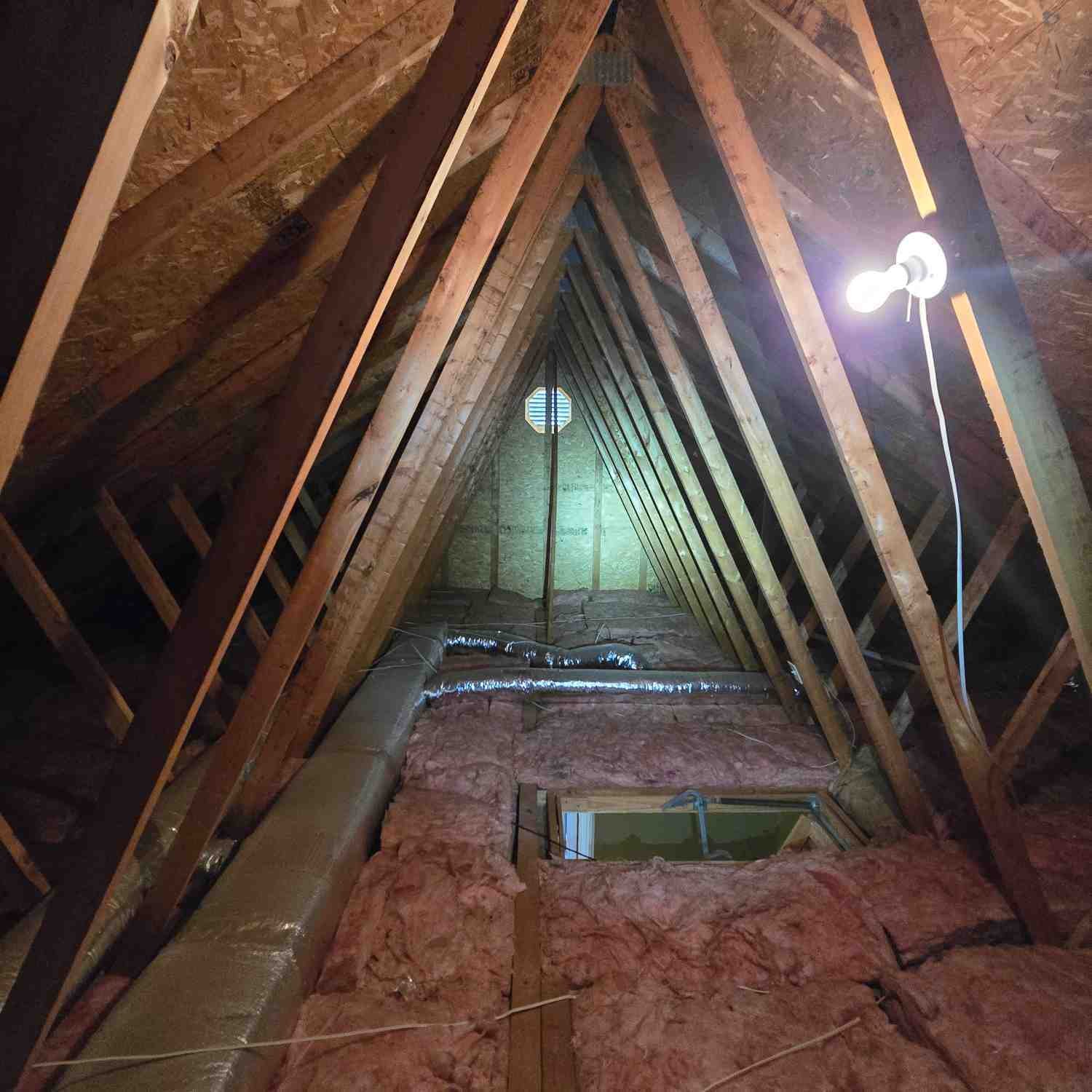
Enter any attic without a walkway.
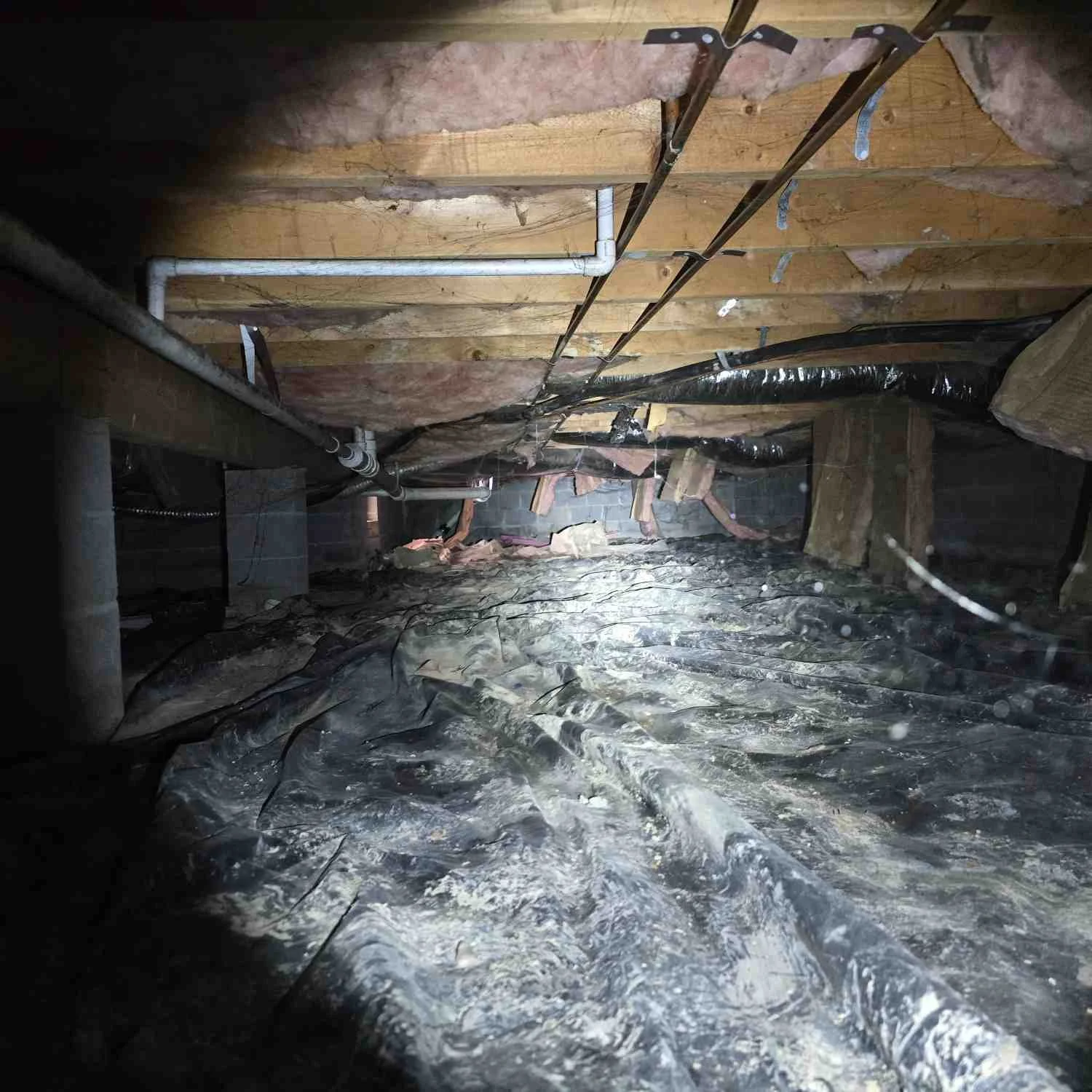
Enter any crawlspace deemed too small or unsafe in their opinion.
Walk roofs, use drone, or use a ladder.
Own or bring a ladder or screwdriver to the inspection.
Use thermal camaras, moisture meters, electrical multimeter, etc.
Test all lights, outlets, doors, windows, etc. in the home.
Home inspection minimum standards are extremely low. The average inspection takes about 2 hours and is very basic.
Everything about Hall’s Home Inspection is better than the average inspection. My inspections are above and beyond the minimum standards:
My average inspection is 3.5 hours plus 30 minutes for a client walkthrough at the end. Oftentimes my inspections take 4-6 hours for larger properties.
I have 6 years of experience as a home inspector. I have multiple years doing mold assessments, electrical work, and thermal camara inspections as well.
I am licensed in 3 states and take dozens of CE courses every year.
I am a licensed journeyman electrician in WV.
I am a Certified Mold Assessor through NORMI, InterNACHI, and the IAC2 mold professional organizations.
I am a Certified Residential Thermographer through Monroe Infrared, one of the best IR camara trainers out there.
I have more than 260 Five Star Reviews on Google. All 100% earned through great service.
I walk roofs or use a drone for roof inspections.
I enter attics that I can reasonably access with or without walkways.
I enter any crawlspace that I can reasonably access regardless of comfort.
I attempt to test all lights, outlets, doors, and windows in the home that are accessible, not just a “representative number”.
I open all electrical panels that are accessible to inspect the wiring. I am very strong on electrical knowledge.
I perform a free visual mold inspection on every home inspection. Sampling is available but is not required in most cases. Mold is legally NOT required to be reported on in a home inspection but I do.
I perform a free thermal camara inspection on every home inspection. Takes about 30-45 minutes. I verify operation of the furnace, AC, hot water temperature, look for excessive heat in electrical panels, look for water leaks, and insulation deficiencies.
I continually seek to learn more about building science, codes, and make myself as knowledgeable as possible. Experience, education, and thoroughness are the most important things when hiring a home inspector. But it’s also important to avoid soft inspectors that have conflicts of interest.
Avoid Soft Inspectors
It’s become a major problem in the home inspection industry where soft inspectors are more concerned with realtor referrals than great home inspections. At many conferences I have heard home inspectors say “We aren’t required to enter crawlspaces”, “we don’t have to comment on mold”, “we don’t do this or that”. The reason is simple: money.
Home inspectors were traditionally referred by real estate agents as their main source of marketing. That is changing as consumers look for more independent inspectors who they can trust to give a thorough, non-biased inspection.
There is a certain real estate brokerage about 15 minutes from where I live that has a reputation for referring soft inspectors and blacklisting good inspectors as “deal killers”. I have at least 5 clients ask me over the phone if I do regular work for this brokerage. Every time I said no and they hired me because they did not trust that brokerage. Other inspectors have informed me they have had problems with this brokerage interfering with them.
I once had a person call me and tell them they bought a home the year before and wanted to use me but were told by that broker they were not allowed to use me. This is 100% illegal and unfair business practice designed to weed out competent inspectors. They instead chose a seasoned home inspector who came highly recommended. They bought the home and expressed regret afterwards. I came out for free and inspected the structure and crawlspace. The other guy didn’t even go in the crawlspace.
Soft inspectors love to stick to the “minimum standards” and “that’s not required” argument because it leads to soft and inoffensive reports that help deals close quickly. But it sucks. Frankly, home inspectors should be raising the bar for quality and thoroughness, not resting on their laurels and doing the bare minimum. You should take a few minutes to read over the standards of practice in any home inspection contract. They are paltry.
A great home inspection still has limitations and won’t reveal everything—that’s impossible. At the end of the day all home inspectors must stick to a standards of practice. But a great home inspection should reveal many things in the property. We should be exceeding the standards to some degree, although it is important that we do this consistently and competently on all homes we inspect. The average report should be at least 30-50 pages for most homes. This isn’t nit picking or exaggerating—it’s doing our job.
Home inspections are expensive. And the better inspectors are typically more expensive than the average. But a great home inspection can save you tens of thousands of dollars in the long run.
It’s not wrong to go with your realtor’s recommendations. I get some of those. But it’s certainly not my main business. You should look for the inspector’s google reviews, experience and training levels. Ask for sample reports and see how that inspector conducts themselves. I’ve found myself less popular with agents the more experienced and educated I became. Other inspectors I’ve talked to say the same. It’s a real problem in the industry.
Consider using AI to analyze sample reports for accuracy and comparison to high quality reports by other professionals. AI is not perfect but it’s a useful tool just like google or yahoo.
At the end of the day, a home inspection can be the difference between buying a home or walking away. Dealing with problems later or having them addressed before closing. You should not want the fastest or cheapest inspector. That’s like going to McDonald’s and expecting a high quality meal—it’s just not happening.

Thermal Camara Certification
Through Monroe Infrared

Certified Mold Assessor Through NORMI, IAC2, and InterNACHI
The Atlas Project →
Certified Home Inspector through InterNACHI. State licensed in WV, OH, KY.
